

What is Calcium Carbonate ?
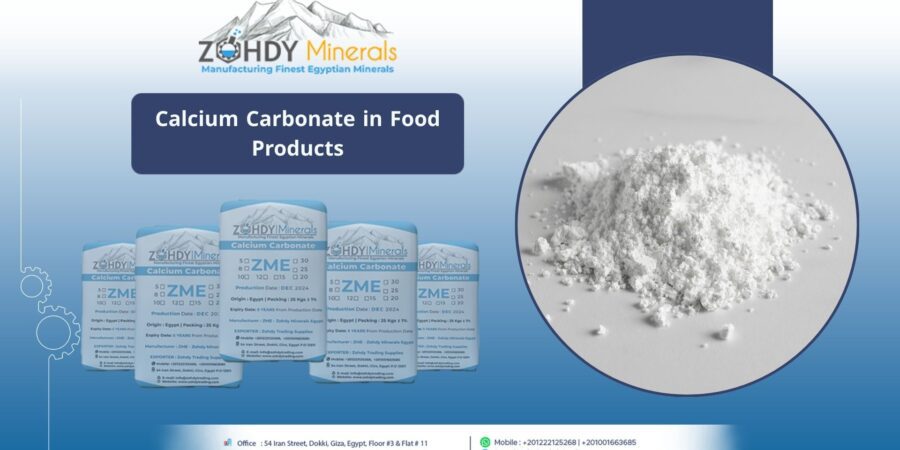
The chemical formula of calcium carbonate is CaCO₃, consisting of calcium ions and carbonate ions. The carbonate ion has a flat triangular structure. Calcium carbonate in food products is adding as a natural food additive, helping to improve the physical, chemical, and functional properties of foods. It is also widely used in dietary supplements as a primary source of calcium.
Calcium carbonate is considered an economical choice for food manufacturers due to its wide availability and relatively low cost. In addition, it has unique properties such as stabilization and anti-caking, alongside being a reliable source of calcium. This makes calcium carbonate an excellent choice for manufacturers seeking to balance cost, functionality, and nutritional value.
Calcium Carbonate: A Critical Nutritional Mineral
One of the most important roles of calcium carbonate in the food industry is its use as a calcium supplement. This essential mineral is indispensable for maintaining bone strength, supporting proper nerve function, and facilitating muscle contraction. Fortified dairy products, cereals, and juices often contain calcium carbonate to enhance their nutritional profile.
How is Calcium Carbonate Produced ?
Calcium carbonate is abundant in the earth’s crust and naturally occurs in various forms such as limestone, marble, calcite, and aragonite. Large quantities can be produced through mining and processing of marble and limestone.
It can also be naturally sourced from shells—ranging from oysters to snails—as well as eggshells. Remarkably, 95% of an eggshell’s dry weight and seashells are made up of calcium carbonate. Recently, eggshells have gained attention as a natural source for dietary supplements and health products. Additionally, calcium carbonate can be produced synthetically as a salt of carbonic acid.
Functional Properties of Calcium Carbonate in Food Products
Beyond its nutritional value, calcium carbonate provides multiple functional benefits in food production, including:
-
Thickening and Texturizing
Works as a thickening agent in sauces, soups, and desserts, enhancing mouthfeel and overall food texture for a better culinary experience.
-
Anti-Caking Agent
Prevents clumping in powdered products such as baking powder and spices, ensuring consistency and ease of use.
-
pH Control
As a mild base, calcium carbonate regulates acidity levels, improving both flavor and product stability.
-
Stabilizer
Helps stabilize food emulsions, binding ingredients together for a uniform and appealing product.
-
Coloring Agent
Its natural white pigment is used to brighten the appearance of foods, enhancing visual appeal and consumer acceptance.
Calcium carbonate is a natural mineral and an essential dietary element for humans.
Foods Containing Calcium Carbonate
-
Dairy Products
Dairy products are among the richest sources of calcium carbonate.
-
Milk
Cow’s milk provides about 300 mg of calcium per cup. Fortified plant-based milk alternatives (almond, soy, oat) often have calcium carbonate added to match nutritional value.
-
Cheese
Varieties like cheddar, mozzarella, and Swiss are excellent calcium sources.
-
Yogurt
A good source of calcium and contains probiotics that support gut health.
-
Leafy Green Vegetables
Most leafy greens provide calcium, though oxalates may reduce absorption. Key examples include:
-
Kale
A rich calcium source, also packed with vitamins A, C, and B.
-
Collard greens
One cup of cooked collard greens provides about 250 mg of calcium.
-
Fish and Seafood
Some fish, particularly those eaten with bones, are good calcium sources:
- Canned salmon and sardines are excellent examples.
-
Nuts and Seeds
Certain nuts and seeds are rich in calcium and easy to include in meals:
-
Almonds
High in calcium, healthy fats, and vitamin E.
-
Chia seeds
Rich in calcium, fiber, and omega-3 fatty acids.
-
Sesame seeds
Especially when ground into tahini.
-
Fortified Foods
Many food manufacturers enrich products with calcium carbonate to increase nutritional value, including:
-
Breakfast cereals
Often fortified, providing 100–1000 mg of calcium.
-
Orange juice
Fortified versions may contain up to 300 mg per cup, ideal for those who avoid dairy.
-
Plant-based milks
Fortified almond, soy, or oat milk often contain calcium levels similar to cow’s milk.
-
Fruits
While fruits are not typically high in calcium, some provide notable amounts, such as:
- Dried figs
- Oranges
With its nutritional, functional, and economic advantages, calcium carbonate remains a key ingredient in the global food industry. You can obtain premium-quality calcium carbonate through Zohdy Minerals Egypt. Contact Us.